
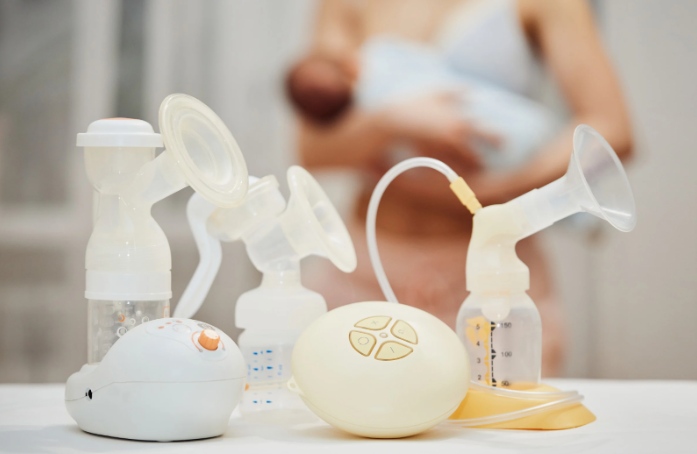
Choosing a breast pump can feel overwhelming with so many options on the market. The good news is, you don’t have to figure it out alone. In this blog, we’ll walk through the main types of pumps, the difference between a primary pump and secondary pumps, and how to discover which options are covered by your insurance. We’ll also share practical tips for getting the best output from your pump, because every drop of breastmilk matters.
Primary vs. Secondary Pumps
When it comes to pumping, most parents benefit from having two types of pumps: a primary pump (also called a wall pump) and a secondary pump (such as a portable or wearable). Having a passive collector like a Haakaa or a Boon Trove is also a great addition to pumping supplies as a breastfeeding mother.
- Primary pumps plug into the wall and typically have stronger suction power and more setting options. They’re designed for consistent, frequent use, making them ideal for exclusive pumpers or for maintaining supply if you are separated from your baby regularly. Using your primary pump about 8-12 sessions per day in the newborn stage and 6–7 sessions per day later on is usually recommended for building and protecting supply.
- Secondary pumps like portable or wearable pumps offer flexibility and convenience. These are helpful for pumping at work, while commuting, or on-the-go, but they may not fully empty breasts as effectively as a primary pump. Most parents use them for one to two sessions per day when portability is key, while still relying on their primary pump for the bulk of their sessions
- In addition to traditional pumps, passive milk collectors such as the Haakaa or Boon Trove can be helpful tools. These silicone devices use gentle suction or simply catch let-down milk from the opposite breast while you’re nursing. They don’t actively pump like an electric or manual pump, but they can help you save milk that would otherwise be lost in a breast pad. For many parents, this is an easy way to start building a freezer stash with minimal effort. While passive collectors aren’t a substitute for regular pumping sessions, they’re a great supplement for catching extra ounces throughout the day.
Finding Insurance-Covered Pumps & Parts
Many families are relieved to find out that most health insurance plans cover a breast pump, and some even cover replacement parts. There are several trusted websites that make it easy to check your benefits, I have linked them below:
On these websites, you simply enter your insurance information, and they will show you the pumps available under your plan. Many also let you request replacement tubing, valves, or bottles often fully covered. Be sure to order extra parts in advance, as worn-out components can reduce suction and impact milk supply.
I do want to caution that you may want to avoid taking any pump classes through these companies, as it may impact your ability to get postpartum lactation coverage. This is primarily important if your insurance company is Aetna or Tricare
Tips for Maximum Pumping Output
Pumping is not one-size-fits-all, and small adjustments can make a big difference in your output.
- Flange sizing: The size of your flange (the part that fits around your nipple) is crucial. A poor fit can cause pain, reduce milk flow, and damage nipples. It is beneficial to have a pump flange fitting consult prior to birth or soon after birth.
- Avoiding silicone base: newer studies show that hard plastic bases are essential to supporting your breast tissue while only pulling in the nipple
- Speed and suction: Pumps usually allow you to adjust cycle speed and suction strength. Some parents respond best to gentle suction with faster speed, while others need stronger suction with slower cycles.
- Experimentation is key: Everybody responds differently. It may take time to find the settings that trigger your best let-down and milk flow.
- Replace parts regularly: duckbills and membranes wear out over time and can reduce the effectiveness of the pump. Keeping extras on hand ensures consistent performance.
- Hands on Pumping – using your hands to massage milk out (gently!) while pumping can help maximize output
Closing Thoughts

Finding the right pump and learning how to use it effectively can make your breastfeeding journey smoother and more sustainable. Remember, you don’t have to figure it out alone. An International Board Certified Lactation Consultant (IBCLC) can help you measure for the correct flange size, walk you through pump settings, and troubleshoot if you’re not getting the output you expect.
If you’re feeling unsure about your pump or want help maximizing your supply, reach out to an IBCLC today, you and your baby deserve support.

Recent Comments