

Breastfeeding is a beautiful and natural way to nourish and bond with your baby. For moms who have had breast surgery, breastfeeding often comes with added questions and concerns. Whether you have had a breast reduction, implants, or a lift, it’s important to know that successful breastfeeding is achievable, though your journey may look a little different. With patience, the right support, and accurate information, many moms are able to breastfeed their babies successfully. This blog is intended for informational purposes. I would highly recommend having a prenatal one on one with a lactation consultant who can take a full health history to help you with a plan.
Breastfeeding After a Breast Reduction
Breast reduction surgery can sometimes affect milk supply because breast tissue and milk ducts may have been removed or altered. The extent of the impact often depends on how the surgery was performed. If nerves and ducts around the areola were preserved, there’s a greater chance of maintaining a healthy milk supply.
Some moms may produce a full supply, while others may only make part of what their baby needs. This doesn’t mean breastfeeding isn’t possible, it may simply mean combining breast and finding donor milk from your local milk bank, or using expressed breast milk with supplementation if needed. Remember, any amount of breast milk provides powerful benefits to your baby.
Breastfeeding After Implants
Many moms worry that implants will prevent them from breastfeeding, but the good news is that most women with breast implants can breastfeed successfully. Implants themselves don’t damage breast tissue or milk ducts. The biggest factor is the surgical approach. Incisions made under the breast or through the armpit usually have little effect on breastfeeding, while incisions around the areola have a slightly higher chance of affecting milk supply due to potential nerve disruption.
It’s also important to know that breast implants do not change the quality or safety of your breast milk. With proper latch, positioning, and support, many moms with implants go on to have a wonderful breastfeeding experience.
Breastfeeding After a Breast Lift
A breast lift usually involves repositioning tissue and skin rather than removing large amounts of breast tissue. Because of this, many moms maintain their ability to breastfeed after. However, if nerves around the nipple were stretched or damaged, letdown reflex and milk flow could be affected.
Just like with a breast reduction or implants, the outcome varies from mom to mom. Some women experience no issues at all, while others may find they need extra strategies to increase milk supply.
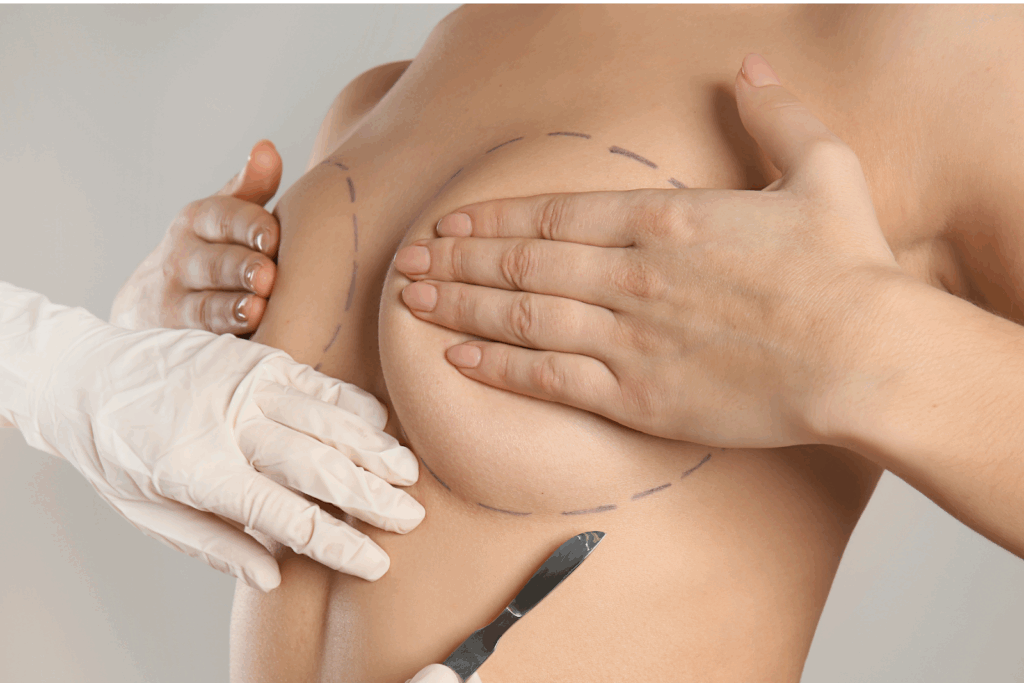
Breastfeeding After Breast Surgery: Key Tips
1. Start Milk Removal Early and Often
Frequent stimulation can “wake up” milk-making tissue and nerves.
- Nurse within the first hour after birth if possible.
- Feed on demand, often 10–12+ times in 24 hours.
- Consider hand expression + pumping in the early days (especially if baby is sleepy or inefficient).
2. Focus on Effective Latch
Babies who latch deeply can remove milk better, which matters even more when supply may be limited.
- Early lactation consult is ideal.
- Adjust positions to maximize comfort and milk transfer.
- Have baby assessed for any oral function concerns
3. Watch Baby, Not the Clock
Because supply may be variable, weight checks are essential.
- Look for good output (pee/poop).
- Monitor weight every few days in the first 2 weeks.
- Consider weighted feeds with an IBCLC to understand transfer. If you need to purchase a scale for at-home use, I would recommend getting a Hatch Scale, it is sensitive enough to measure to the .25 ounce. I do caution those that can get really hung up on this to not weigh every feeding, unless advised by your IBCLC or pediatrician.
4. Use Supplementation Strategically (If Needed)
Many mothers who have had surgery make some milk even if they don’t make a full supply. The goal can still be meaningful breastfeeding.
During pregnancy, the body goes through an incredible process of building and activating the structures needed for milk production. Under the influence of rising hormones—especially estrogen, progesterone, and prolactin—the breasts begin developing additional milk-making tissue (alveoli) and increasing the number of milk-producing cells. This stage is called mammogenesis, and it’s one of the reasons many people notice fullness, tenderness, or an increase in breast size as pregnancy progresses. Even if someone has had breast reduction surgery or had limited glandular tissue in the past, pregnancy offers a unique “second chance” for the body to create new pathways, reconnect nerves, and expand the ductal system. The final weeks of pregnancy are especially important, as this is when the majority of new glandular tissue is formed. So it is helpful to allow baby to stay in until they are ready (i.e. avoiding inductions that are not medically necessary). By the time the baby is born, the breasts have prepared themselves to shift from building milk-making structures to actively producing milk—showing just how adaptable the body can be.
Some additional supplementation tools:
- SNS at the breast (helps keep baby at the breast while receiving enough milk)
- Combo feeding or partial breastfeeding, which is still beneficial
- Pumping after feeds to signal your body, especially if baby is getting supplementation
5. Pumping may be essential
- In the early weeks, pumping after feeds can help build nerve pathways and help increase overall supply.
- Ensure your IBCLC sizes your flanges
- Stop or reduce once supply stabilizes and baby is growing well.
6. Protect Your Emotional Health
Breastfeeding after reduction can be physically and emotionally intense.
- Celebrate any amount of milk you produce.
- Set flexible goals.
- Remember that bonding, closeness, and immune benefits all count—exclusive breastfeeding is not the only path.
7. Understand Sensation Changes
Nipple sensation often correlates with supply potential.
- Tingling or feeling “letdown-like” sensations are good signs.
- Lack of sensation does not automatically mean no supply—nerves can regenerate over years.
8. Consider Galactagogues with Professional Guidance
These may help some individuals with overall supply, but use at the guidance of your IBCLC:
- Goat’s rue is one of the most frequently recommended herbs for people who may have low glandular tissue, a history of breast surgery, or signs of hypoplastic breasts. According to Making More Milk, goat’s rue appears to help by encouraging the development of mammary (milk-making) tissue, not just by boosting prolactin. It’s related to the same plant family as fenugreek, but without the maple-syrup smell or the same level of digestive side effects.
- Shatavari is an Ayurvedic herb traditionally used to support female reproductive health. In Making More Milk, it’s described as a herb that may help increase milk supply by supporting the hormonal environment associated with lactation. Unlike goat’s rue (which is more glandular-tissue-focused), shatavari is thought to act as a general lactogenic and adaptogenic herb, helping the body cope with stress and supporting overall reproductive balance.
- Moringa is one of the most researched herbal galactagogues and is widely used in many cultures to support milk production. In Making More Milk, moringa is described as an herb that may help increase milk supply by supporting the hormonal processes behind lactation—especially prolactin levels, which directly influence how much milk the body makes.
- Domperidone (outside the U.S.)
But always with an IBCLC + medical provider.
9. Build a Support Team Early
- IBCLC familiar with breast surgery
- Pediatric provider that is well educated on breastfeeding norms
- Support partner who understands the plan and can help with pumping/feeding logistics
Supporting Your Supply After Surgery
If you’ve had any type of breast surgery, it’s important to be patient with yourself and your body. Milk supply may take a little extra time to establish. Frequent breastfeeding, skin-to-skin contact, and effective milk removal are all essential steps in encouraging production.

Working with an International Board Certified Lactation Consultant (IBCLC) can make a big difference. They can help you assess your baby’s latch, monitor weight gain, and create a plan to protect and support your supply. Sometimes, this may include supplementing with expressed breast milk, donor milk, or other options while continuing to breastfeed for bonding and comfort.
A Gentle Reminder for Moms
You are learning something brand new, just like your baby. Breastfeeding after breast surgery may come with unique challenges, but it also comes with opportunities for connection, growth, and resilience. Be patient with yourself, celebrate every success (no matter how small), and know that you are giving your baby something incredibly valuable simply by choosing to breastfeed.

Recent Comments