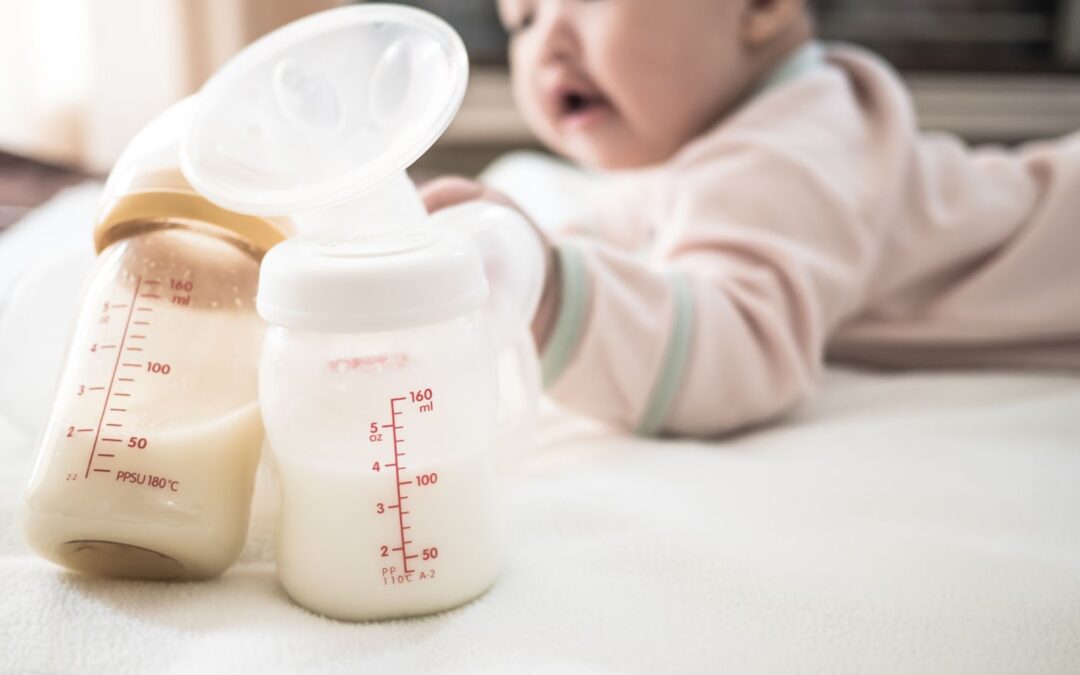
If you are an exclusively breastfeeding parent and your baby begins to prefer the bottle, it can feel both emotionally heavy and physiologically concerning. Many parents immediately worry about long-term breastfeeding success or declining milk supply. From a lactation perspective, bottle preference is not uncommon and it is usually explainable, measurable, and addressable with appropriate support.
This post explores why bottle preference occurs, how to protect milk supply, and evidence-based strategies to ensure both adequate intake and sufficient ongoing milk production.
Why Bottle Preference Happens
Bottle preference is rarely about nipple confusion and more often about flow preference, efficiency, and nervous system regulation.
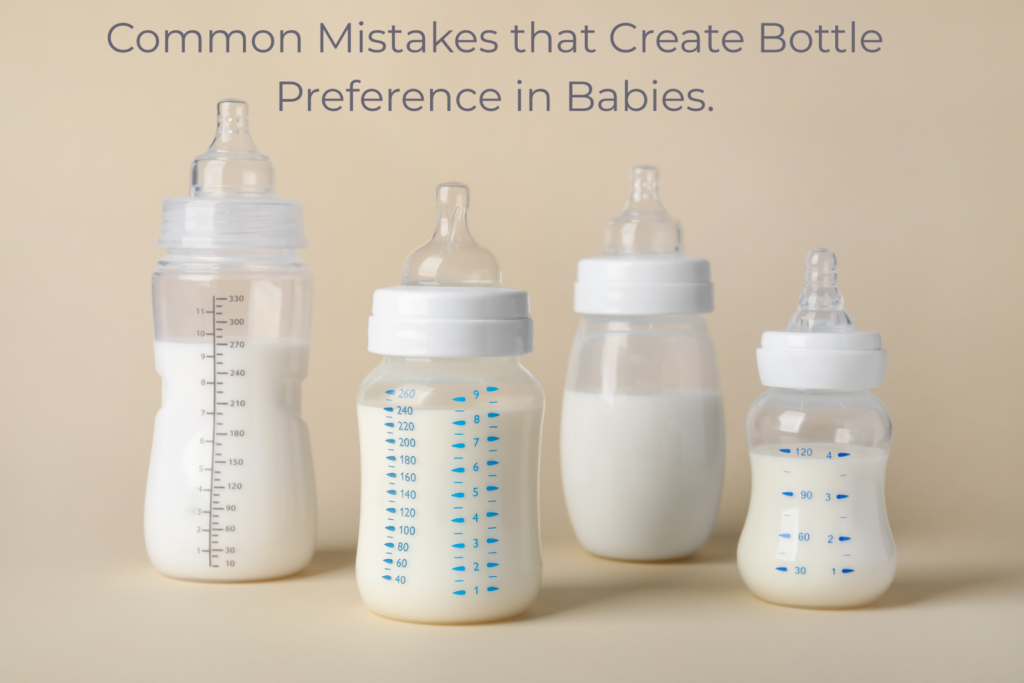
- Faster, continuous milk flow from bottles
- Reduced oral-motor effort compared to breastfeeding
- Extended reliance on bottles due to pumping or separation
- Bottles are offered when the infant is overstimulated
- Hunger cues have been overlooked or missed
- Environmental distractions during feeds
Infants naturally gravitate toward feeding methods that feel predictable and require less effort.
Protecting Milk Supply Comes First
Regardless of feeding method, milk supply protection is foundational.
Clinically supported strategies include:
- Pumping every time baby receives a bottle, ideally matching feed timing
- Targeting 8–10 effective milk removals per 24 hours in early infancy
- Ensuring correct flange fit and adequate suction (If you are unsure about proper sizing, it is important to seek help from a lactation consultant to avoid harming milk supply or causing nipple injury.
- Avoiding long stretches without milk removal, especially overnight
Consistent and effective milk removal maintains hormonal signaling and long-term supply stability.
How to Reduce Bottle Preference While Supporting Intake
1. Use Paced Bottle Feeding
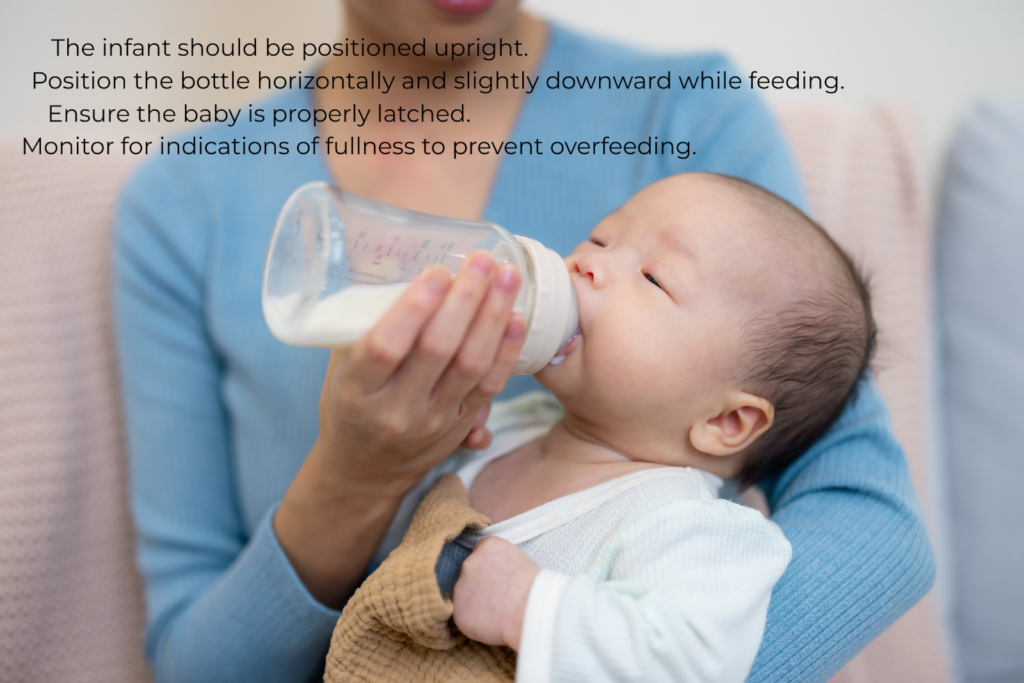
When bottles are used:
- Choose slow-flow nipples
- Bottles with a tapered nipple (pyramid shape) are preferred
- Pause regularly (This supports oral-motor development and reduces flow preference.)
2. Offer the Breast During Calm States
Attempt breastfeeding:
- After naps
- At night or early morning
- Before hunger escalates (Regulated babies coordinate latch and suck more effectively)
3. Prioritize Skin-to-Skin Contact
Skin-to-skin enhances:
- Oxytocin release
- Infant regulation
- Feeding cues
4. Support Milk Flow at the Breast
To reduce frustration:
- Hand express or pump briefly before latching
- Use breast compressions during feeds
This helps match the immediate gratification experienced with bottle feeding.
5. Create a Quiet, Low-Stimulation Feeding Environment

When encouraging a baby to return to breastfeeding:
- Feed in a dimly lit space
- Minimize noise, movement, and visual input
- Avoid screens and distractions
Neurologically, infants feed best when parasympathetic (“rest-and-digest”) pathways are supported.
Using Objective Tools to Ensure Adequate Intake
When there are concerns about intake volume at the breast, objective measurements can provide clarity and confidence.
- Weighted feeds with an IBCLC can assess how much milk baby transfers during nursing.
- If transfer is lower than expected, baby can be topped off with the remaining ounces of expressed milk appropriate for their age and feeding frequency.
- This approach protects growth, reduces frustration at the breast, and prevents unnecessary weaning.
Protecting Supply While Baby Is Taking Bottles
When bottles are needed:
- Pump to fully replace breastfeeding for each bottle given (until supply regulates)
- Consider pumping after breast attempts if transfer is suboptimal
- Monitor output and pumping response to ensure supply meets demand
This ensures that the baby is receiving enough milk while also confirming that the body is producing enough milk, eliminating guesswork and anxiety.
A Clinically Grounded Perspective
Bottle preference does not mean breastfeeding has failed. With proper assessment, measurable intake, and supply protection, feeding plans can be adjusted to meet both physiologic and emotional needs. Many families successfully transition back to the breast.

Support Makes a Difference 🤍
If your baby prefers the bottle and feeding feels uncertain, working with an International Board Certified Lactation Consultant (IBCLC) can provide individualized guidance, including weighted feeds, pumping plans, and feeding strategies tailored to your baby’s development and your goals.
We offer a variety of consultation options to bring expert lactation care directly to you. Our goal is to provide you with options most safe and convenient in this season of motherhood.
Our services include:
- Virtual consultations 💻
- In-home visits 🏡
- In-office appointments 🏢
Mothers navigating breastfeeding challenges deserve skilled, compassionate, and evidence-based support. Breastfeeding knowledge combined with your commitment to the process, and a lot of practice, you will be empowered to reach your breastfeeding goals confidently and with success.

Recent Comments