Many new breastfeeding mothers experience challenges in the early days. Difficulties such as a shallow latch, slow weight gain, nipple pain or damage, and engorgement are common as you and your baby learn to breastfeed together. In some cases, a nipple shield can be a helpful temporary tool to ease these struggles. For example, if you have flat or inverted nipples or if your baby is having trouble latching, a shield can offer structure and support while breastfeeding skills develop.
It is important to consider the potential drawbacks of using a nipple shield. When used long-term or without proper guidance, they can contribute to reduced milk transfer, a drop in supply, or challenges weaning your baby off the shield.
In this blog, we’ll break down when nipple shields can be helpful, when they may cause problems, and how to use them safely and effectively with the support of an International Board Certified Lactation Consultant.
What is a Nipple Shield?
A nipple shield is a thin, flexible silicone tool that fits over the nipple during breastfeeding. It creates a structured shape that can help some babies latch more effectively. The tip sits over your nipple, while the wider base gently adheres to the areola. Small holes at the tip allow breast milk to flow through to your baby during feeding.
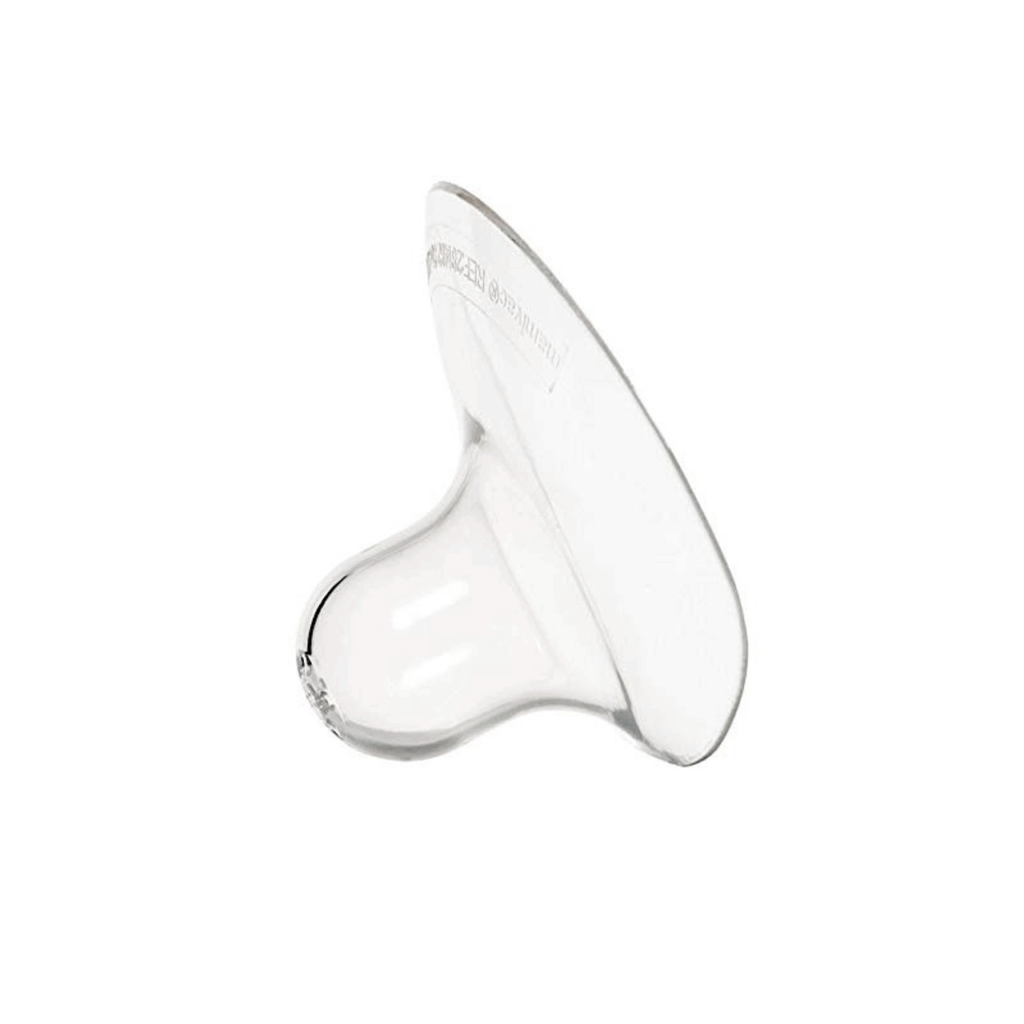
There are a few different shapes of nipple shields:
- Cherry Shaped
- Cone Shaped
- Flat Shaped
- Bottle-like
It is best to work with your IBCLC on the proper recommended shape for your situation
When Nipple Shields Help
Nipple shields can be a helpful short-term tool in certain breastfeeding situations, especially when latch challenges are making feeding difficult. For mothers with flat, inverted, or short nipples, the shield can provide a more pronounced shape to help the baby grasp the breast more easily. Shields may also be useful for babies with oral challenges such as: tounge tie, a weak suck, prematurity, or a high palate. The structure of the shield can help babies have something firmer to latch onto while feeding skills improve.
Nipple shields can also offer temporary relief if you’re experiencing nipple pain or damage. While they aren’t meant to replace support from an IBCLC, a shield can act as a protective barrier, making breastfeeding more comfortable while the nipples heal. Keep in mind, nipple shields are a temporary tool during the learning phase of breastfeeding, not a permanent solution. Support from a lactation professional is recommended if you are having difficulty latching without a shield or if you are experiencing any other breastfeeding related issues.

When Nipple Shields Hurt
While nipple shields can be incredibly helpful in the right situations, they can also create new challenges when used long-term or without proper guidance. One of the main concerns is reduced milk transfer. Some babies aren’t able to remove milk as effectively through a shield, which may lead to slower weight gain or longer, more frequent feedings. If your baby seems unsatisfied after nursing or isn’t having adequate wet and dirty diapers, it may be a sign that the shield is limiting how much milk they’re getting.
Another potential drawback is a decrease in milk supply. Because the shield can sometimes reduce the stimulation your breast receives, your body may respond by producing less milk over time. This can also increase the risk of issues such as clogged ducts or mastitis if the breast is not emptied well..
Nipple shields may also be difficult to wean from when used for prolonged periods. Some babies grow dependent on the feel and structure of the silicone and resist latching directly on the breast. This can be frustrating for both mother and baby.
Nipple shields are most effective when used temporarily, with the guidance of an Internationally Board Certified Lactation Consultant. These professionals are able to help look at the whole picture: monitoring milk transfer, helping you protect your supply, and providing helpful tips and support when it is time to wean off the shield.
How to Use a Nipple Shield Safely and Effectively
- Ensure Proper Fit: A lactation consultant can help select the correct size and ensure the shield sits comfortably on your nipple and areola.
- Monitor Milk Transfer: Watch for signs your baby is getting enough milk, such as audible swallowing, contentment after feeds, and adequate wet/dirty diapers.
- Protect Your Supply: Use breast compression or pump sessions if needed to ensure breasts are fully emptied. Avoid relying on the shield longer than necessary.
- Plan for Weaning: Work with your lactation consultant to gradually reduce shield use as your baby’s latch improves. This technique will improve your baby’s transition back to direct breastfeeding.
When to Seek Lactation Support
Even with proper use, nipple shields are most effective with guidance. Seek professional support if:
- Your nipples remain painful or damaged
- Your baby is not gaining weight adequately
- You’re unsure whether milk transfer is sufficient
- You need help weaning off the shield
Need support? We will meet you with compassion! Reach out to Breastfeeding Counselor today!
- 🏠 In-person: Meet in your home or in-office.
- 💻 Virtual: Get guidance through video calls from the comfort of your home.
- 🤱 Flexible options: Choose what works best for your family’s schedule.
Insurance-Friendly Lactation Support
We believe every family deserves access to quality breastfeeding care without added financial stress. Our practice now accepts Aetna, United Healthcare, BCBS PPO plans, and select Cigna plans. These plans cover in-office and home visits (home visits may include a small mileage fee).
If you’re unsure about your coverage, we’re happy to help you verify your benefits so you can focus on feeding your baby—not navigating insurance.

Recent Comments